Replacing an old refrigerator or finally getting rid of that washer that’s been sitting in the garage can feel like a bigger job than it should. You can’t always leave large appliances out with your regular trash, and moving them can be difficult without the right vehicle or help.
So, how can you get rid of old appliances? The answer depends on the appliance, its condition, and the options available in your area. You can sell or donate working appliances, while broken ones may be recycled or taken to a facility that accepts large appliances. If moving the appliance is the biggest problem, professional removal can handle that for you.
Start by Checking the Condition of Your Old Appliance
Before deciding where to take an old appliance, look at its condition. A working appliance may still be useful to someone else, while a broken or unsafe one may be better suited for recycling or disposal.
Can the Appliance Still Be Used?
If an appliance still works properly and is in decent condition, you may be able to sell, donate, or give it away.
Check that the appliance turns on, runs as expected, and doesn’t have major damage. Look for problems such as heavy rust, broken doors, damaged cords, leaks, or missing parts. A little cosmetic wear matters less than a safety or mechanical issue.
If the appliance is still usable, selling or donating it can keep it in use instead of sending it for disposal.
Is the Appliance Broken or Beyond Repair?
Some appliances aren’t worth repairing. Major electrical problems, severe rust, water damage, missing parts, or repeated breakdowns may make disposal a better option.
Don’t sell or donate an appliance that is no longer safe to use just to get it out of the house. Instead, check your local disposal or recycling options.
For large appliances, getting rid of them can still be a challenge, even when you know they need to go. A refrigerator, washing machine, or stove may be too heavy to move without help. In that case, you’ll need to find a safe way to remove and transport the appliance before you can dispose of it.
Sell or Donate Working Appliances
Working appliances can still have value, especially if they’re clean and in good condition. Selling or donating them also gives you an alternative to throwing them away.
Before handing an appliance to someone else, clean it, gather the model information, and be upfront about its age and condition.
Where to Sell Used Appliances
Local online marketplaces, classified listings, and secondhand appliance stores can be places to sell used appliances.
A good listing should include the brand, model, approximate age, dimensions, condition, and asking price. Take photos of the appliance from different angles and show any scratches or other damage.
Keep pickup in mind when selling a large appliance. A buyer may need a truck or another large vehicle to take it home, and you’ll need to coordinate a time when someone can move it safely.
Donating Appliances in Good Condition
Some charitable organizations accept working household appliances, although each organization sets its own rules. Check the requirements before loading a refrigerator, washer, or other large appliance into your vehicle.
Some organizations may offer pickup for larger items, while others only accept appliances at a specific location. Make sure the appliance is clean and in working condition before arranging a donation.
Recycle Old Appliances
When an appliance has reached the end of its useful life, recycling may be an option. Large appliances contain materials such as steel, aluminum, copper, plastic, and glass that can be recovered and processed.
Recycling requirements vary by facility, so check what your local recycling center accepts before you go.
Which Appliances Can Be Recycled?
Many common household appliances can be recycled through the right facility. These may include:
- Refrigerators
- Freezers
- Washing machines
- Dryers
- Ovens and stoves
- Dishwashers
- Microwaves
- Air conditioners
Refrigerators, freezers, air conditioners, and some other cooling appliances need additional care because they contain refrigerants that can harm the environment if released. Recover these materials before recycling or disposing of the appliance, and have a qualified professional or approved recycling facility handle the work. Don’t cut refrigerant lines or try to remove the refrigerant yourself.
What Parts of an Appliance Can Be Recycled?
Large appliances are made from several materials, and many can be recovered.
Metal is one of the most common materials found in appliances. You can separate and recycle steel cabinets, aluminum parts, copper wiring, and other metal components. Some appliances also contain plastic, glass, and other materials that can be recovered depending on the recycling process.
Recycling facilities may also need to remove certain components before processing an appliance. Refrigerants, oils, and other materials require proper handling rather than improper release or disposal.
Check Your Local Appliance Disposal Options
Where can you get rid of old appliances? Start by checking the waste and recycling services available in your area. Disposal rules vary, and some providers require an appointment before collecting large appliances.
Before moving an appliance outside, find out what your local provider accepts and whether there are any preparation requirements.
Bulk Waste Pickup
Some cities and waste providers offer bulk pickup for large household items. Depending on the service, you may need to schedule the pickup ahead of time or pay an additional fee.
Don’t assume that an appliance can go out with your regular trash. Check whether your provider accepts the specific appliance and where you need to place it for collection.
Recycling Centers and Transfer Stations
A local recycling center or transfer station may accept large appliances. Some facilities separate appliances for recycling, while others have specific requirements for refrigerators, freezers, or other equipment.
Before you load the appliance into a truck, check the facility’s accepted materials, hours, fees, and any rules for refrigerated appliances.
Retailer Take-Back and Haul-Away Programs
Replacing an old appliance with a new one? Ask the retailer whether they offer haul-away service.
Some retailers arrange to remove the old appliance when they deliver the replacement. Some retailers and local utility programs may also offer appliance pickup, recycling, or other turn-in options.
This can be convenient because the old appliance is removed as part of the same delivery process.
How to Dispose of Refrigerators and Freezers
Refrigerators and freezers need more attention than many other household appliances. They contain refrigerants and other components that must be handled properly during disposal.
Why Refrigerators Require Special Handling
Older refrigerators and freezers may contain refrigerants that can harm the environment if released. You must recover these materials properly before disposing of the appliance.
Don’t cut refrigerant lines, remove the compressor, or try to release the refrigerant yourself. Leave this part of the process to someone who is qualified to handle it.
Instead, check with your local waste provider, recycling facility, retailer, or appliance removal service to find out how to handle the refrigerator.
How to Prepare a Refrigerator for Removal
Before the refrigerator leaves your home, remove all food and other items from inside. If the unit needs to be defrosted, give it enough time to thaw and dry before pickup.
Remove loose shelves and bins if needed, and clear a path from the refrigerator to the exit. Measure doorways and tight spaces ahead of time if you’re dealing with a large unit.
Don’t disconnect or tamper with refrigerant lines. If the refrigerator requires specialized work before disposal, leave that part to a qualified professional.
How to Get Rid of Large Household Appliances
Large appliances can be difficult to move even when they don’t require special disposal. Their weight, size, and location inside the home can make getting them outside the hardest part of the process.
Washing Machines
Washing machines are heavy and can still contain water in their hoses or internal components. Before moving one, disconnect it properly and drain it to prevent leaks.
If the washer is working, consider selling or donating it. If it’s broken, check local recycling or disposal options.
Dryers
You can recycle or dispose of dryers through programs that accept large appliances. If the dryer is still working, selling or donating it may be an option.
Gas dryers require extra care during disconnection. If you’re not sure how to disconnect a gas appliance safely, have a qualified professional handle that part rather than attempting it yourself.
Ovens and Stoves
Working ovens and stoves may be sold or donated. Older or broken units can often be handled through appliance recycling or bulk disposal programs.
A qualified person should disconnect gas ranges. Once disconnected, the unit still needs to be transported to an appropriate recycling or disposal location.
Dishwashers
Dishwashers can be awkward to remove because they’re installed under the countertop and connected to plumbing and electricity.
If you’re replacing one, ask the retailer or installer whether removal of the old dishwasher is included. Otherwise, safely disconnect the water and electrical connections before moving it.
What to Do Before Getting an Appliance Removed
A little preparation can make appliance removal much easier. It also helps prevent water leaks, damaged floors, and other problems during the move.
Unplug and Disconnect the Appliance
Unplug appliances that use a standard electrical connection and make sure they’re no longer running before moving them.
Some appliances are hardwired into the home’s electrical system or connected to gas or plumbing. Don’t attempt a connection you’re not qualified to handle. If you’re unsure, have a professional disconnect the appliance.
Remove Food and Personal Items
Empty refrigerators, freezers, microwaves, dishwashers, and other appliances before removal.
Check drawers, shelves, compartments, and the area around the appliance for anything left behind. Remove loose trays and shelves if they could fall out while the appliance is being moved.
Check for Water, Gas, or Electrical Connections
Some appliances have more than one connection. Washing machines and dishwashers use water lines, while gas ranges and dryers may connect to a gas line.
Check how the appliance is connected before planning the removal. Drain water where needed, and have a qualified professional disconnect gas or hardwired electrical connections safely.
When to Hire an Appliance Removal Service
Knowing where to take an appliance is only part of the problem. You still have to get it out of the house and transport it.
A refrigerator can weigh hundreds of pounds, and a washing machine or stove can be difficult to move through narrow doorways, down stairs, or across uneven surfaces.
When the Appliance Is Too Heavy to Move
If you can’t safely lift or move an appliance, don’t risk an injury trying to do it yourself.
Large appliances can be awkward to carry because of their size and weight. Stairs, tight hallways, and narrow doorways can make the job even harder.
When You Don’t Have a Suitable Vehicle
A standard car usually isn’t enough for a refrigerator, washer, dryer, or other large appliance. Even if you manage to get the appliance outside, you still need a safe way to transport it.
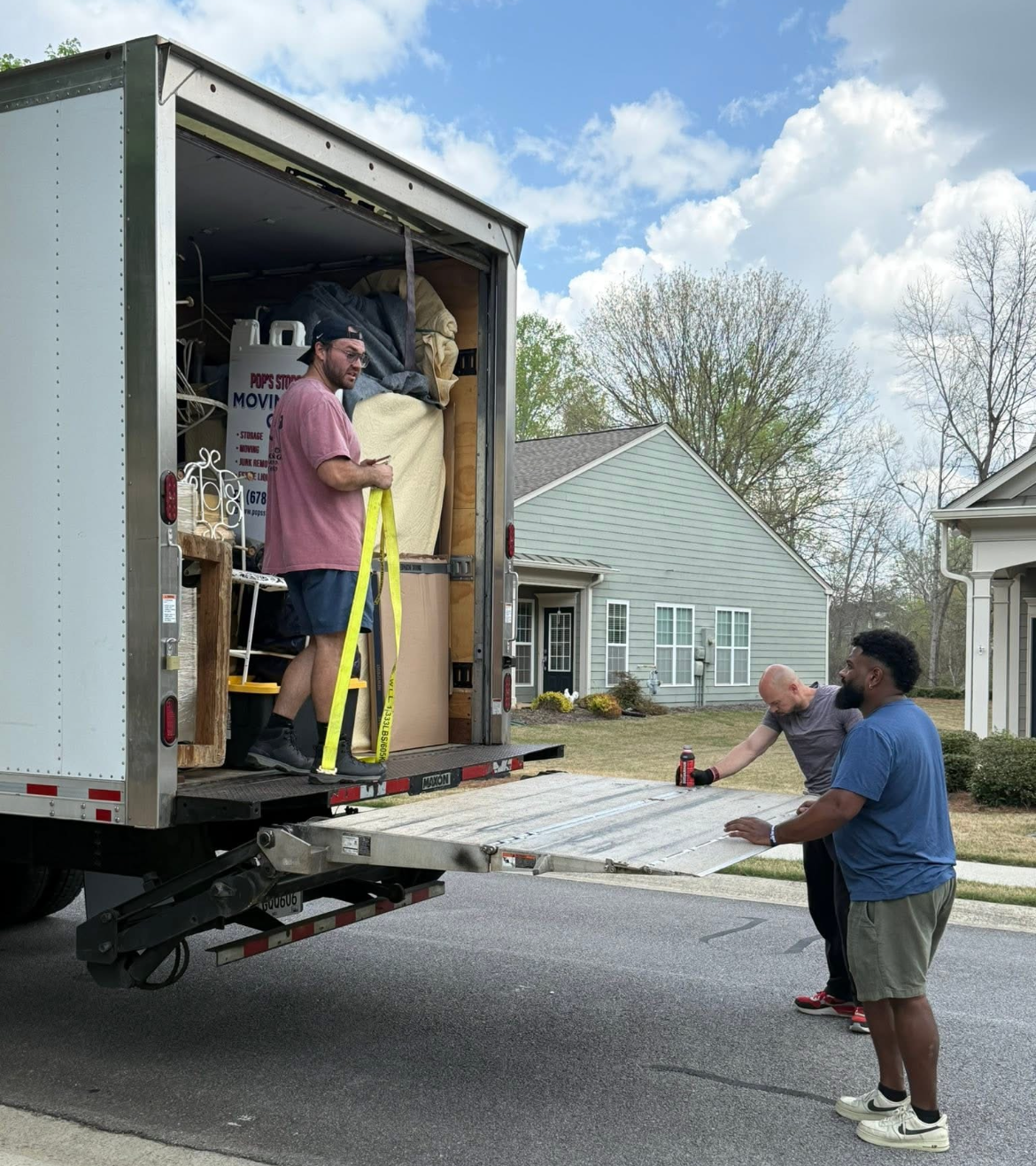
An appliance removal service can handle loading and transportation, so you don’t have to rent a truck or figure out how to secure a heavy appliance yourself.
When You Have Multiple Appliances to Remove
Removing several appliances at once can turn into a much bigger job. This often happens during a kitchen remodel, move, home cleanout, or major renovation.
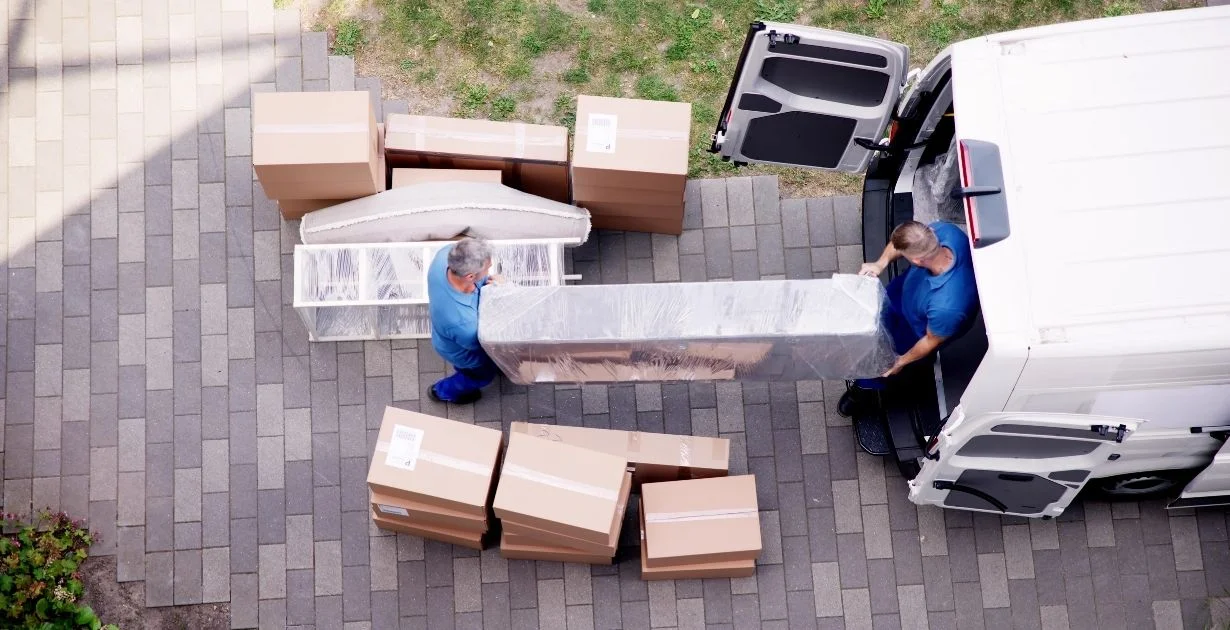
If you’re also getting rid of unwanted furniture, you can have everything cleared out at the same time, including old couches, tables, dressers, and other bulky items.
What Happens During Appliance Removal?
The process typically starts with scheduling a pickup and identifying the appliances that need to be removed. The removal team then lifts and carries the appliances out of the property.
Once the appliances are loaded, the team takes them to an appropriate recycling, reuse, or disposal facility based on the appliance type and condition.
Professional removal can save you from finding a truck, moving heavy appliances through your home, and making a separate trip to a disposal facility.
Ready to Get Rid of Your Old Appliances?
Whether you’re replacing one appliance or clearing out several, getting the old units out of your home can be the hardest part. Refrigerators, washers, dryers, and other large appliances aren’t easy to lift, transport, or dispose of on your own.
Pop’s Junk Removal can handle the heavy lifting. Our team removes unwanted appliances from your home and handles loading and transport, so you don’t have to find a truck or figure out where to take them.
Have an old appliance taking up space? Schedule your appliance removal with Pop’s Junk Removal today!