Old furniture can be hard to deal with once you no longer need it. A couch may be too large for your vehicle, a dresser may be falling apart, or a dining table may simply take up space you need for something else.
Before you drag it to the curb, check its condition and decide what makes the most sense. Some pieces can still be sold, donated, or reused, while others are ready to be recycled or removed. This guide covers your options so you can get rid of old furniture without making the process harder than it needs to be.
Start by Assessing Your Old Furniture
Before deciding how to get rid of old furniture, take a close look at its condition. Not every unwanted item needs to go straight to the trash.
A quick inspection can help you decide whether someone else can use the furniture or if you need to remove it.
Is the Furniture Still in Good Condition?
Sturdy, clean, and safe furniture may still have value. Check the frame, legs, drawers, doors, cushions, and other moving parts.
Small issues such as scratches, faded finishes, or outdated colors don’t always mean the furniture needs to be thrown away. A simple repair or fresh coat of paint may give it another few years of use.
If the furniture is still functional, consider selling it, giving it away, or donating it before looking at disposal options.
Is It Too Damaged to Reuse or Donate?
Some furniture has reached the point where repairs aren’t worth the time or cost. Broken frames, severe stains, mold, pest damage, missing pieces, and other major problems can make an item unsuitable for another person.
Donation centers may also have rules about the condition of furniture they accept. Don’t assume you can donate an old couch or dresser just because it is technically still usable.
If the furniture is unsafe, heavily damaged, or no longer functional, look into recycling or furniture disposal options instead.
Sell or Give Away Furniture You No Longer Need
Selling or giving away usable furniture can keep it out of the waste stream while helping someone else furnish their home.
Before listing an item, clean it and take clear photos. Include its measurements and be honest about scratches, stains, or other signs of wear.
Where to Sell Old Furniture
Online marketplaces, local community groups, consignment stores, and classified listings can all be options for selling used furniture.
When creating a listing, include:
- Clear photos from different angles
- The furniture’s dimensions
- The material and color
- Its overall condition
- Any damage or repairs
- The price
- Pickup details
Large furniture can be harder to sell because buyers may need to arrange their own transportation. If an item sits unsold for weeks, you may want to consider another way of getting rid of it.
How to Give Away Usable Furniture
Giving furniture away can be faster than selling it. Friends, family members, neighbors, and local community groups may be interested in taking it.
Include photos and details about the item’s condition so people know what to expect. For large pieces, let the person picking it up know if they will need help moving it or a suitable vehicle.
If nobody wants the furniture after several attempts, don’t let it continue taking up space. You can move on to donation, recycling, or removal.
Donate Old Furniture
Donating furniture can be a good option when an item is clean, safe, and still useful. Some organizations accept household furniture and may offer pickup services for larger pieces.
Donation rules vary, so check with the organization before making a trip. This is especially important for upholstered furniture and large items.
What Furniture Can Usually Be Donated?
Accepted items vary by organization, but common examples include:
- Sofas and couches
- Dining tables
- Chairs
- Dressers
- Desks
- Bookshelves
- Bed frames
- Cabinets
Clean the furniture before donating it and make sure it has all of its major parts. If something is broken or missing an important component, ask the organization whether it can still accept it.
When Should You Avoid Donating Furniture?
Donation isn’t the right choice for every piece of old furniture. Avoid donating items with serious structural damage, heavy staining, mold, pest infestations, or other conditions that could make them unsafe.
Also check the organization’s guidelines before arranging a drop-off or pickup. A donation center may have to pay to dispose of furniture that it cannot resell or reuse.
If an item is too damaged to donate, furniture removal may be a more practical option.
Repurpose or Upcycle Old Furniture
Old furniture doesn’t always have to stay in the same role. If the piece is still sturdy but no longer works in the room, you may be able to give it a new purpose instead of getting rid of it.
You can turn an old dresser into storage for a garage, craft room, or bedroom. You can sand and refinish a wooden dining table, and an unused cabinet can provide extra storage in a laundry room, workshop, or home office.
Repurposing makes the most sense when the furniture is in decent shape and only needs a few changes. If it has major damage or would take more time and money to fix than it’s worth, removing it may be the better option.
Recycle Old Furniture When Possible
Some furniture contains recyclable materials, but an entire piece usually cannot go into your regular recycling bin.
Depending on the furniture, materials such as metal, certain plastics, cardboard, and some types of wood may be recyclable. Local facilities have their own rules, so check before taking anything apart or making a trip.
Which Furniture Materials Can Be Recycled?
Metal: Scrap or recycling facilities may accept bed frames, springs, hardware, table legs, and metal shelving.
Wood: Some facilities accept clean or untreated wood. Painted, treated, or composite wood may have different requirements.
Plastic: Certain plastic furniture and components may be recyclable depending on the type of plastic and the facility.
Upholstery: Fabric and foam are more difficult to recycle and may require specialized programs.
If a piece cannot be fully recycled, separating recyclable materials may still reduce what you need to dispose of.
Check Your Local Furniture Disposal Options
Local waste rules determine how you can dispose of large furniture. Some communities offer bulk pickup, while others require residents to take oversized items to a transfer station or other facility.
Check your local waste provider’s rules before putting furniture at the curb. You may need to schedule a pickup, pay a fee, or follow specific requirements.
Bulk Trash Pickup
Some trash pickup services collect large household items through scheduled bulk pickup. Others require you to request a pickup ahead of time.
We remove bulky furniture such as couches, mattresses, dressers, tables, and many other oversized household items. If you’re unsure whether we can haul away a specific piece, simply reach out and we’ll be happy to help.
Transfer Stations and Disposal Facilities
A transfer station or disposal facility may accept furniture that cannot go through regular curbside collection.
Before loading your furniture and making the trip, check the facility’s hours, accepted materials, fees, and vehicle requirements. A large couch or heavy table may require a truck or trailer to transport.
If you don’t have a suitable vehicle or enough help to move the furniture, a furniture removal service can handle the transportation for you.
What to Do With Different Types of Old Furniture
The best way to get rid of furniture depends on the item’s type and size. A small table may be easy to donate, while a large sectional can be much harder to move.
Old Couches and Sectionals
If your couch is clean and in good condition, you may be able to sell or donate it. For couches that are heavily stained, damaged, or worn out, check your local furniture disposal options.
Large sectionals can be difficult to remove because of their size and weight. If you don’t have a truck or enough people to move one safely, professional couch removal can save you the work of lifting and transporting it yourself.
Old Mattresses
Mattresses are bulky and may have separate disposal or recycling requirements. Some communities have mattress recycling programs, while others include them in bulk-item pickup.
If the mattress is still clean and usable, check whether a local organization accepts it. For an old or damaged mattress, look for an approved disposal option rather than leaving it out with regular trash unless your local provider allows it.
Old Dressers and Cabinets
You can sell, donate, or repurpose a dresser or cabinet in good condition. Check the frame, drawers, doors, and shelves before deciding what to do.
Large wooden pieces can be especially difficult to move from upstairs rooms or through narrow hallways. If you’re removing several pieces at once, professional furniture removal can make the job easier.
Old Dining Tables
A sturdy dining table may be worth selling or donating. You can also sand and refinish wooden tables to give them a new look.
If the table is broken, severely damaged, or too large to transport, check your local disposal options or arrange for furniture removal.
Old Bed Frames
You can often take apart many bed frames before moving them. Metal frames may be recyclable, while wooden frames may have different disposal requirements.
If you’re replacing a bed and other bedroom furniture at the same time, removing everything together can save you multiple trips and make the cleanout easier.
When to Hire a Furniture Removal Service
Sometimes getting rid of unwanted furniture is more work than it’s worth. Large, heavy, or awkward pieces can be difficult to carry through a home and even harder to transport.
A furniture removal service can handle the lifting, loading, and transportation so you don’t have to figure out how to move everything yourself.
When Professional Furniture Removal Makes Sense
Furniture removal can save you a lot of work when you’re dealing with pieces that are too heavy, bulky, or awkward to move on your own. This is especially true if you don’t have a truck or large enough vehicle, you’re trying to remove several pieces at once, or you’re clearing out a room or entire home.
It can also help when you’re moving, getting a property ready for sale, or clearing out a home after a major life change. For larger property cleanouts, estate cleanout services can help remove furniture and other unwanted items from the property.
Moving large furniture without enough help or the right equipment can damage walls, floors, and doorways. More importantly, heavy or awkward pieces can cause injuries if you don’t move them properly.
What Happens During Furniture Removal?
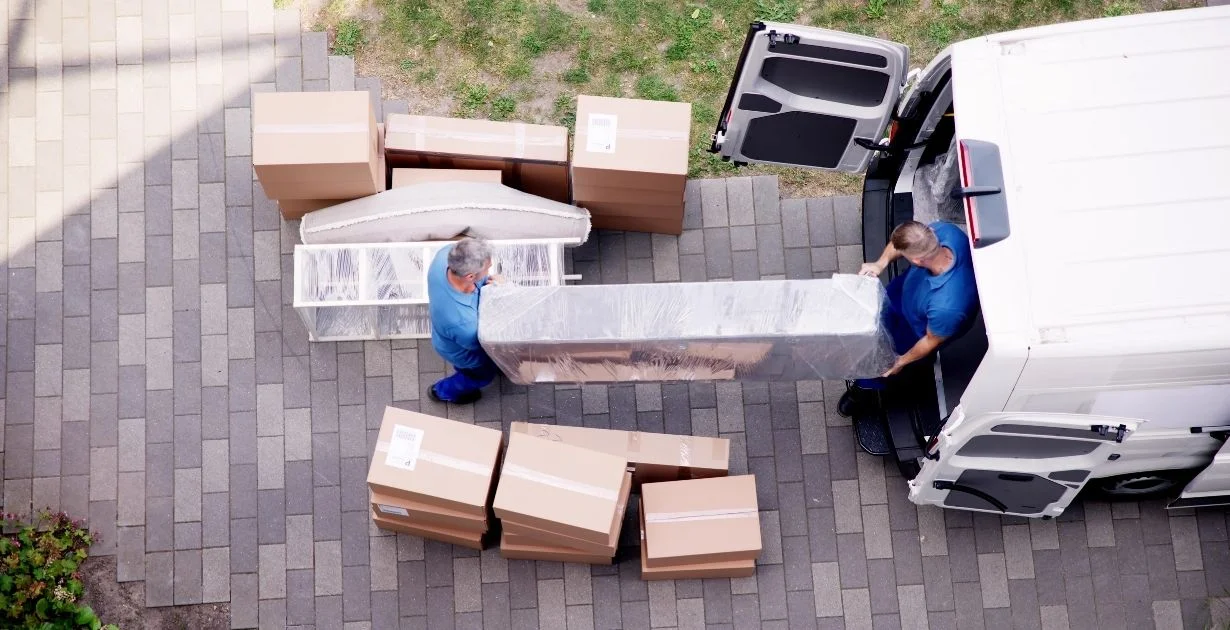
The process usually starts with scheduling a pickup and letting the removal team know what needs to go. From there, the team lifts and carries the furniture out of the home, apartment, garage, or other property.
Once the team loads the furniture, they can sort it by condition and materials. Items that are still usable may be donated or reused, while other pieces may be recycled or properly disposed of.
Professional furniture removal handles the hardest parts, from moving heavy pieces through doorways and down stairs to loading them for transport. You don’t have to find a large enough vehicle or make several trips to get everything out of your home.
Ready to Get Rid of Your Old Furniture?
If that old couch, dresser, table, or bed frame has been sitting around because you don’t know how to move it, you don’t have to handle it yourself. Pop’s Junk Removal provides furniture removal for unwanted and bulky items, so you can clear out the space without worrying about the heavy lifting or transportation.
Whether you’re replacing a few pieces, cleaning out a room, or getting rid of furniture before a move, Pop’s Junk Removal can handle the removal from start to finish.